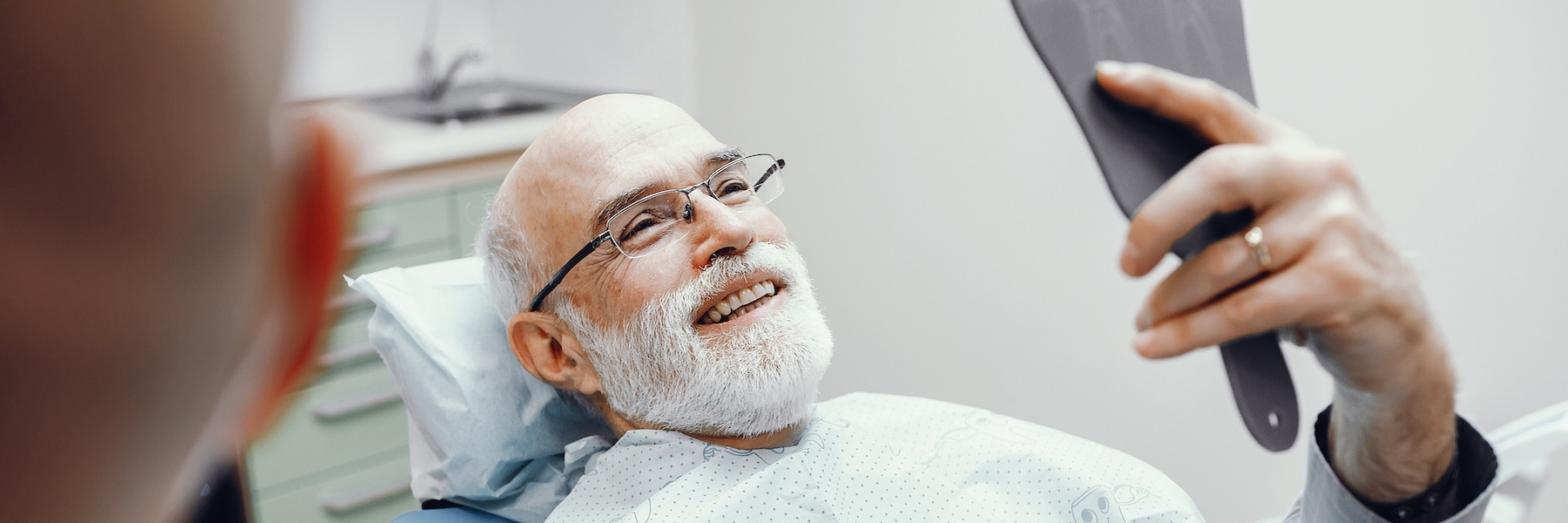

Missing several teeth or struggling with uncomfortable dentures can affect everyday activities, from enjoying your favourite meals to speaking comfortably. Have you been wondering about tooth replacement options? If so, you may have come across all-on-x dental implants in Preston, VIC.
At Northland Dental Clinic, we understand that considering dental implant surgery can bring plenty of questions, such as:
- What happens during dental implant treatment?
- How long does dental implant healing take?
- What can I expect before, during and after dental implant treatment?
Let's walk through the all-on-x journey, one stage at a time.
What Does Full-Arch Implant Treatment Entail?
All-on-x dental implants provide a way to replace an entire upper or lower arch of missing or failing teeth using several strategically positioned implants. Rather than replacing each tooth individually, your dentist places implants into the jawbone to support a full arch of prosthetic teeth. The number of implants depends on your:
- Individual needs
- Jawbone structure
- Treatment plan
Unlike removable dentures, an implant-supported bridge is designed to stay fixed in place. However, this treatment involves surgery, ongoing maintenance and potential complications. It’s also important to understand that not everyone is a suitable candidate.
Stage 1: Assessment, 3D Imaging and Digital Treatment Planning
Your journey begins with a comprehensive consultation. Your dentist in Preston, VIC, examines your teeth, gums and jawbone, reviews your medical history and discusses your concerns and treatment goals.
Where clinically appropriate, 3D imaging, such as cone-beam computed tomography (CBCT), helps assess bone volume and key anatomical structures. Digital planning may also assist with determining implant positions and designing your proposed restoration.
This appointment allows you to ask questions about treatment alternatives, costs, recovery and potential risks. Your dentist will explain whether full arch tooth replacement is appropriate for your circumstances or whether another option may better suit your needs.
Stage 2: The Surgical Appointment & Fitting the Provisional Bridge
If you proceed with treatment, your dentist will explain the surgical process and available anaesthetic options beforehand. During surgery, your dentist removes any teeth that require extraction and places the planned implants into your jawbone.
Depending on implant stability and other clinical factors, a temporary bridge may be attached on the same day or within approximately 24 hours. However, immediate provisional teeth aren’t suitable or achievable in every case.
Your temporary dental bridge allows you to begin adjusting to your replacement teeth while your replacement teeth heal. You’ll also receive instructions about eating, cleaning and caring for the surgical sites.
Stage 3: Healing and Osseointegration (3 to 6 Months)
Now comes an important part of the process: healing. Over approximately three to six months, the jawbone gradually grows around the implants through a process called osseointegration. This helps establish the stability needed to support your final restoration.
Healing times vary depending on your health, bone quality, surgical complexity and other individual factors. During this period, your dentist monitors your progress and may recommend a modified or soft-food diet to reduce pressure on the tooth implants. It’s important to attend follow-up appointments and follow your dentist's instructions, even if everything feels comfortable.
Stage 4: Crafting and Placing Your Final Custom Restoration
Once your dentist confirms that the implants have integrated sufficiently, planning for your final bridge can begin. Your dental team takes impressions or digital scans to help create a restoration suited to your mouth. They consider factors such as:
- Your bite
- Tooth shape
- Your appearance
- Ability to clean around the bridge
Your dentist checks the fit and function before securing the final restoration. Some patients require additional adjustments or appointments to achieve an appropriate fit. While implant-supported teeth can provide a functional alternative to missing teeth, results and longevity vary between individuals.
Maintenance, Hygiene and Long-Term Oral Health
Your new teeth still need regular attention! Although prosthetic teeth cannot develop cavities, plaque can accumulate around implants and contribute to inflammation or infection.
Your dentist may recommend:
- Brushing twice daily with appropriate cleaning products
- Cleaning beneath your bridge using specialised floss or interdental brushes
- Attending regular dental examinations and professional cleaning appointments
- Avoiding smoking, which increases the risk of implant complications
- Reporting discomfort, bleeding or changes in your bite
Consistent home care and professional monitoring help support your implants and surrounding tissues over time.
Surgical Risks and Considerations 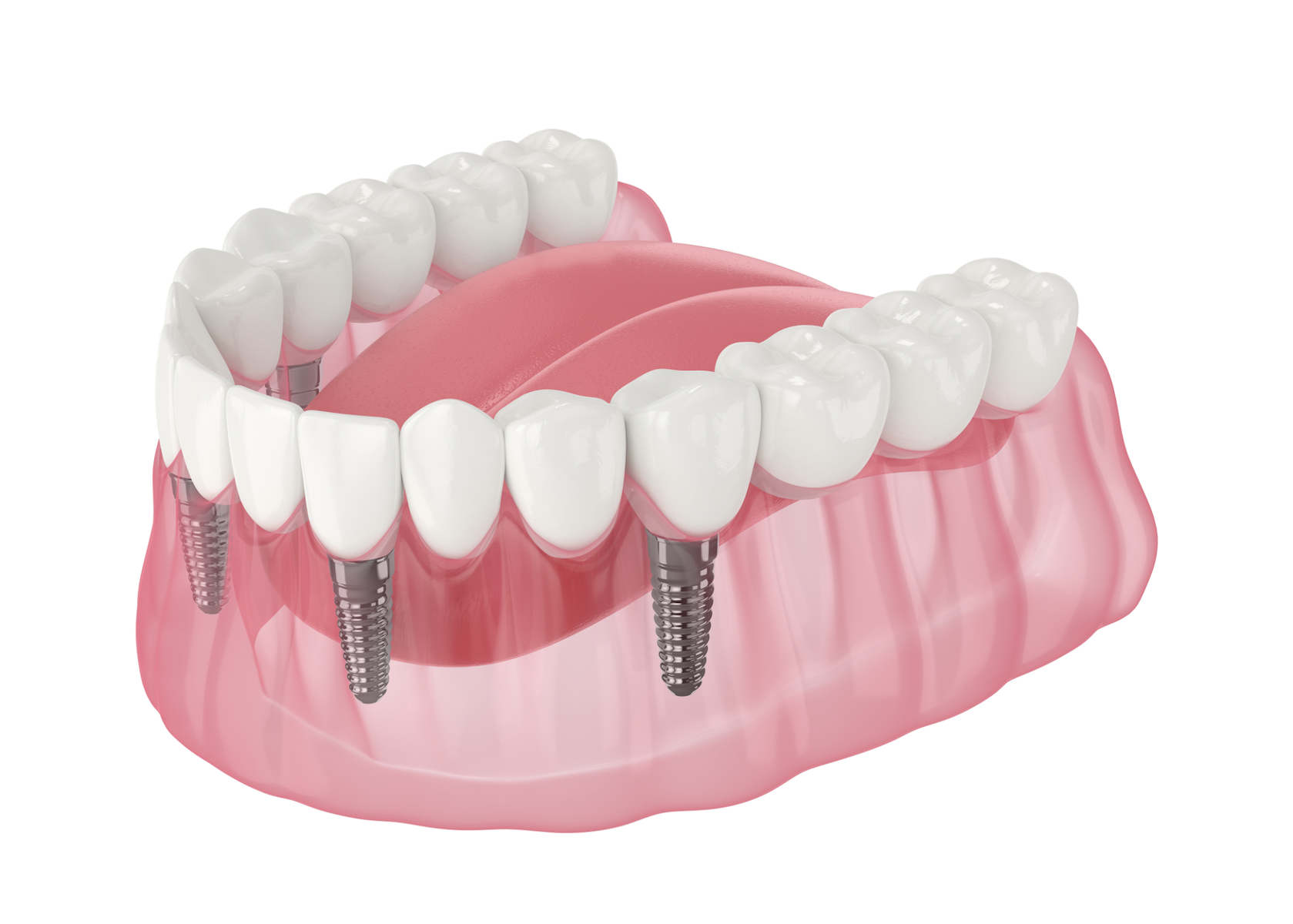
Like any surgical procedure, all-on-x treatment carries risks. These can include pain, swelling, bleeding, infection, nerve injury, sinus complications, implant failure and problems with the prosthetic bridge. Some patients may require additional procedures, such as bone grafting, while others may not be suitable for implant treatment.
Medical conditions, smoking, gum disease and certain medications can also affect healing and treatment outcomes. Your dentist will discuss these considerations, along with alternative tooth replacement options, before you make an informed decision.
We Invite You to Explore Your Tooth Replacement Options in Preston, VIC
Considering all-on-x dental implants is a significant decision, and understanding each stage can help you feel more informed. At Northland Dental Clinic, we’re here to listen to your concerns, answer your questions and discuss treatment options suited to your individual oral health needs.
Exploring full-arch tooth replacement in Preston? We invite you to contact our friendly team to arrange a consultation and learn more about what your treatment journey may involve.